Lumbar disc herniation is a common condition in the general population (1-3%).
There are several types of disc herniations, and their clinical manifestation depends on the size and location of the herniation. Around 80% improve with conservative treatment (oral medication, physical therapy, epidural infiltration).
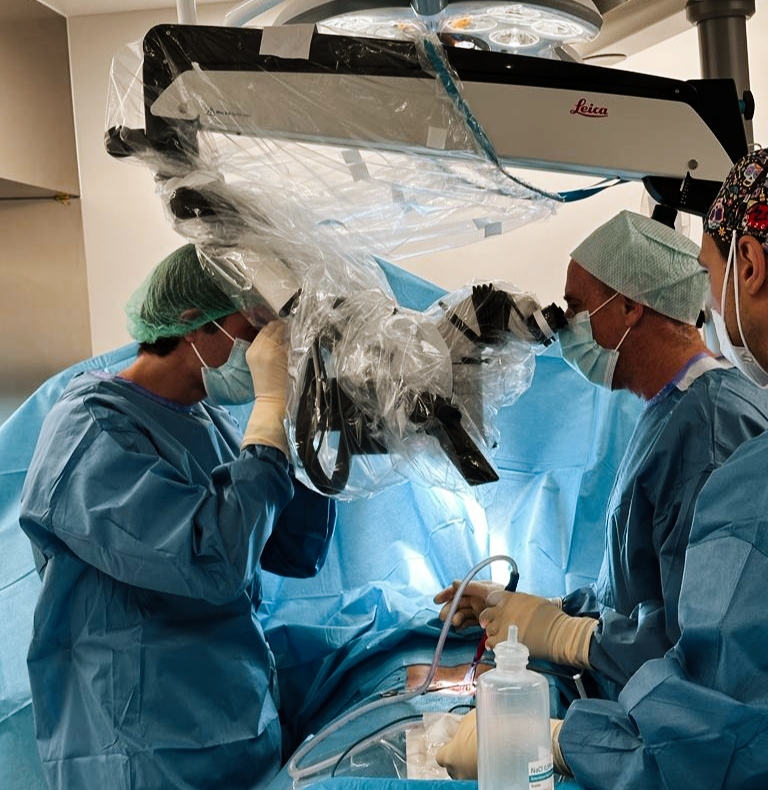
Only 20% of patients require surgery via simple microdiscectomy, which involves removing the herniated fragment through a minimal skin incision, ensuring the release of the affected nerve.
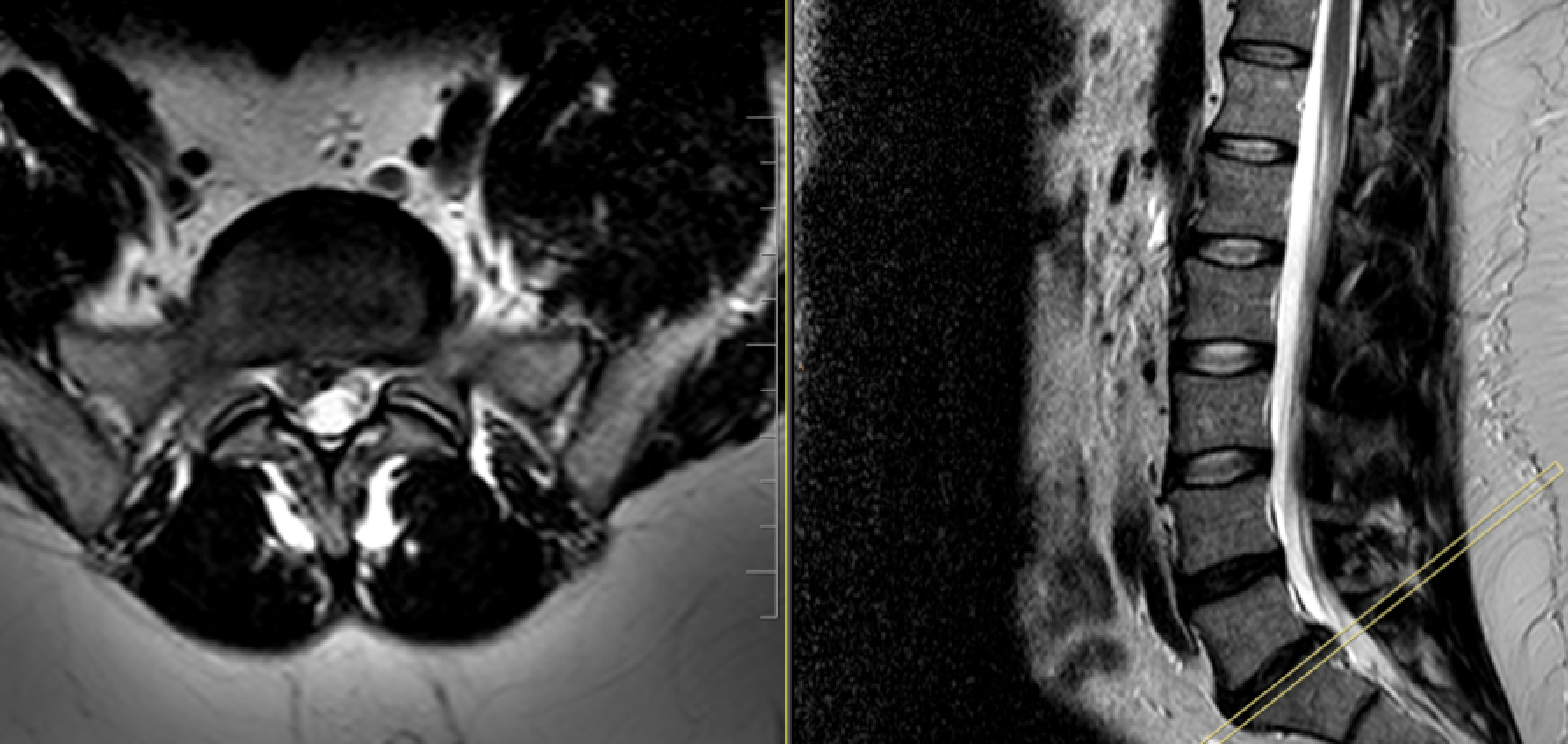
The main symptom is chronic lower back pain. Its causes include genetic, environmental, and mechanical factors, leading to progressive dehydration of the nucleus pulposus and the fibrous ring of the disc. This degenerative process causes the disc to lose its elastic and shock-absorbing function between the two adjacent vertebrae.
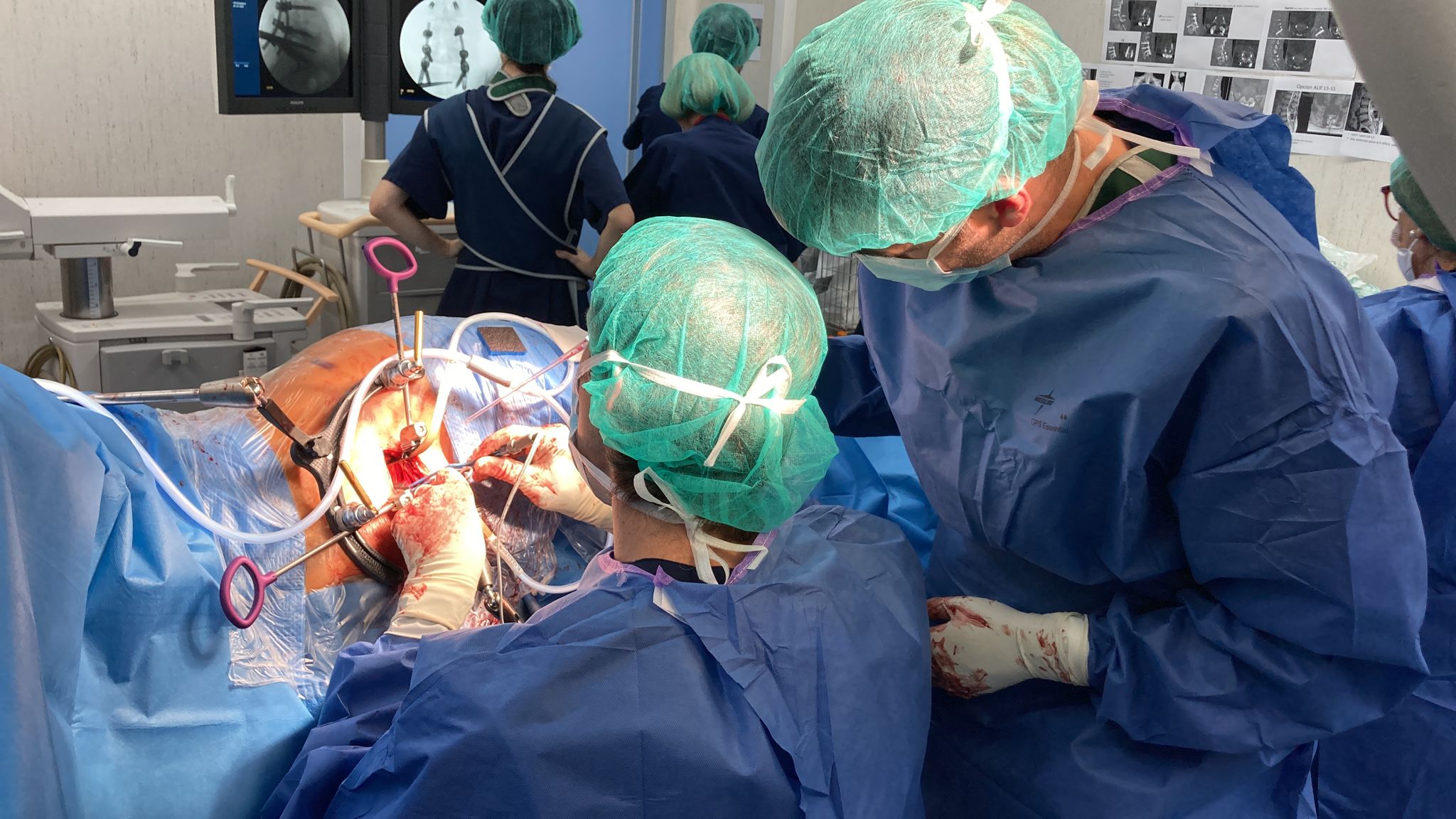
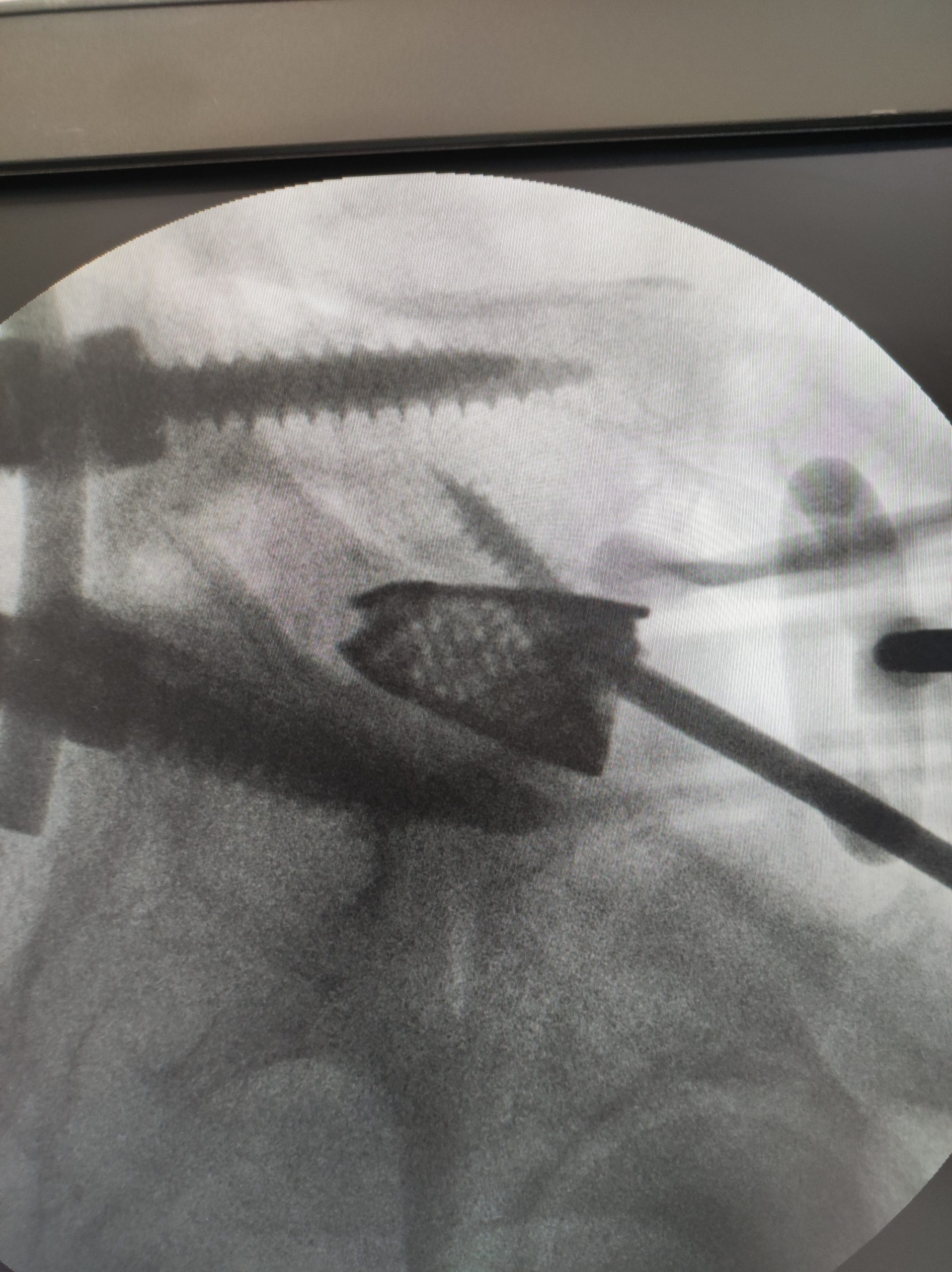
When conservative treatment with physical therapy, oral analgesics, and facet joint infiltrations or rhizolysis is no longer effective, surgery is recommended, either through spinal fusion (arthrodesis) or disc replacement.

The choice depends on the patient’s age, functional demands, and the condition of adjacent joints and discs.

The most common types in clinical practice are:
- Spondylolisthesis due to spondylolysis: Typically appears in childhood or adolescence. The main symptom is chronic lower back pain. It is usually caused by spinal morphology (pelvic incidence) and bone stress on the pars interarticularis due to functional demands. It is classified based on the degree of displacement (Meyerding classification).
- Degenerative spondylolisthesis: More common in women and typically affects the L4-L5 segment. It may be associated with spinal canal stenosis and is clinically characterized by lower back pain accompanied by radiating pain to the lower limbs.
When conservative treatment with physical therapy, exercise, posture control, analgesics, and facet joint infiltrations or rhizolysis is no longer effective, surgery is recommended.
The surgical technique depends on the type of spondylolisthesis, its severity, and the patient’s age.


This condition occurs due to the progressive narrowing of the lumbar spinal canal caused by degenerative changes in the intervertebral disc, facet joints, and the ligamentum flavum. The main symptoms are neurogenic claudication and radiating pain in the lower limbs, which worsens with standing.
When conservative treatment with oral medication, physical therapy, and epidural infiltrations fails, the recommended surgical treatment is decompression of the spinal canal through laminectomy and foraminal release.
For more information about this condition, visit this link:
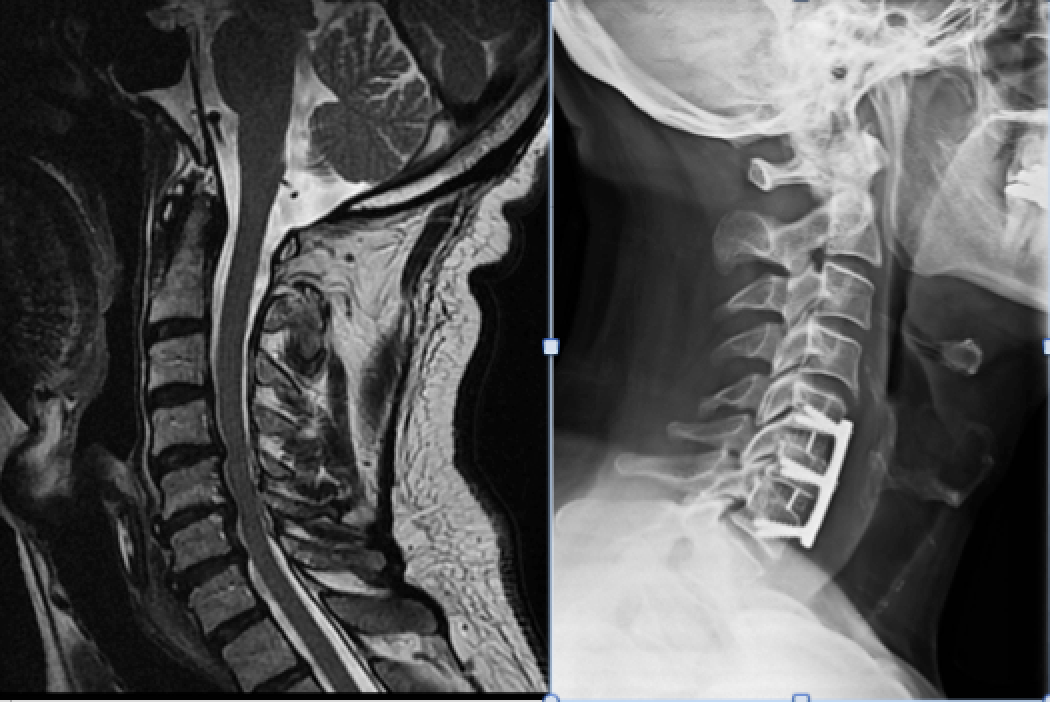
The most common cervical spine conditions requiring surgery are disc herniation and spinal stenosis with myelopathy. Less frequent cases include fractures, deformities, tumors, infections, and various diseases with potential neurological involvement.
Cervical surgery depends on the case:
- Anterior approach: arthrodesis or disc replacement.
- Posterior approach: spinal canal decompression with laminectomy and correction of cervical lordosis.


The incidence of thoracolumbar fractures has increased in recent years. They occur due to high-energy trauma (car accidents or falls from height) or spontaneously in cases of osteoporosis.
If the fracture is stable, it can be treated with a TLSO brace for six weeks. In cases of unstable fractures with a risk of neurological injury, surgical intervention is the preferred treatment.


For more information about this condition, visit this link:
http://www.efortopenreviews.org/content/1/9/332
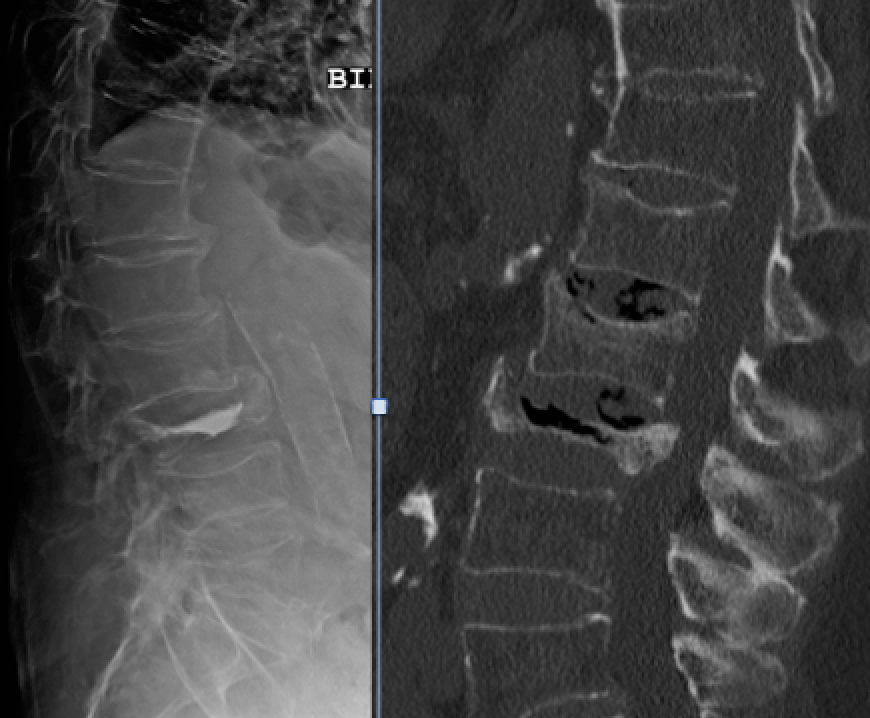
These fractures are commonly found in individuals over 60 years old. They often occur spontaneously or after minor efforts or falls. The cause is the loss of bone strength. Treatment includes an evaluation of bone quality, pain management, and monitoring of potential deformities.
They are classified based on the age of onset, the underlying cause, and the type of curvature. The most common is Adolescent Idiopathic Scoliosis (AIS), classified according to Lenke.
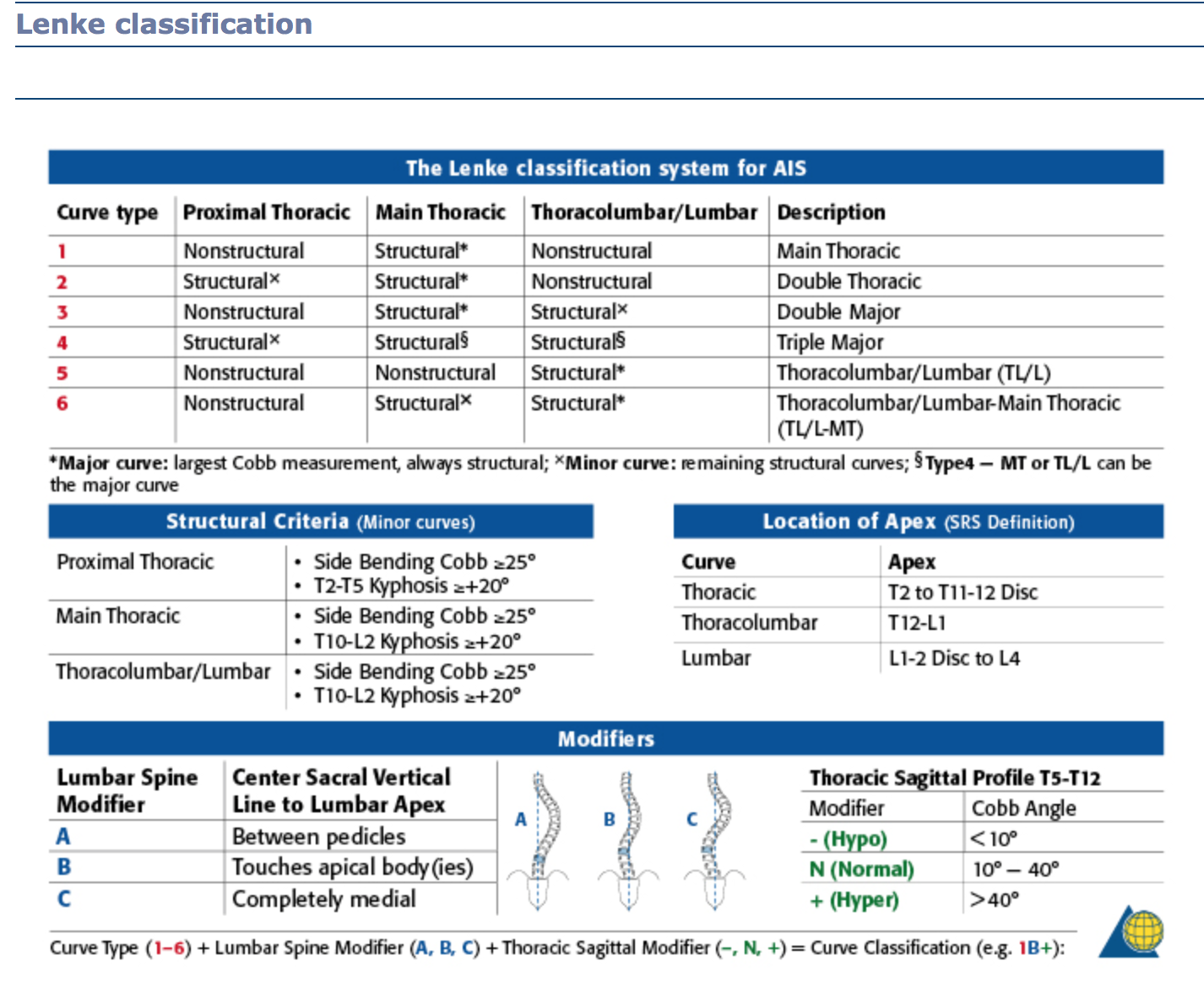
Treatment depends on bone maturation age (Risser grade) and curve severity.
General guidelines:
- < 20º: No specific treatment required.
- 20º-40º: TLSO bracing is usually recommended, typically Chêneau (if the spine is still growing).
40º: Surgery may be considered depending on the case and type of curve.
In all cases, physical exercise is especially important, as muscle function acts as a natural brace, helping to ensure balanced growth and potentially stopping curve progression.

Kyphosis is an excessive curvature of the spine in the sagittal plane, typically affecting the thoracic region. The most common type in young patients is Scheuermann’s kyphosis.

Diagnosis is established when kyphosis exceeds 50º and presents at least three consecutive wedged vertebrae with endplate deformities (Schmorl’s nodes).
Most cases are benign and only cause mild back discomfort. Surgery is only required for progressive cases that cause significant pain in adulthood.
For more information, visit the following links:
https://www.ncbi.nlm.nih.gov/pmc/articles/PMC5759105/pdf/TOORTHJ-11-1521.pdf
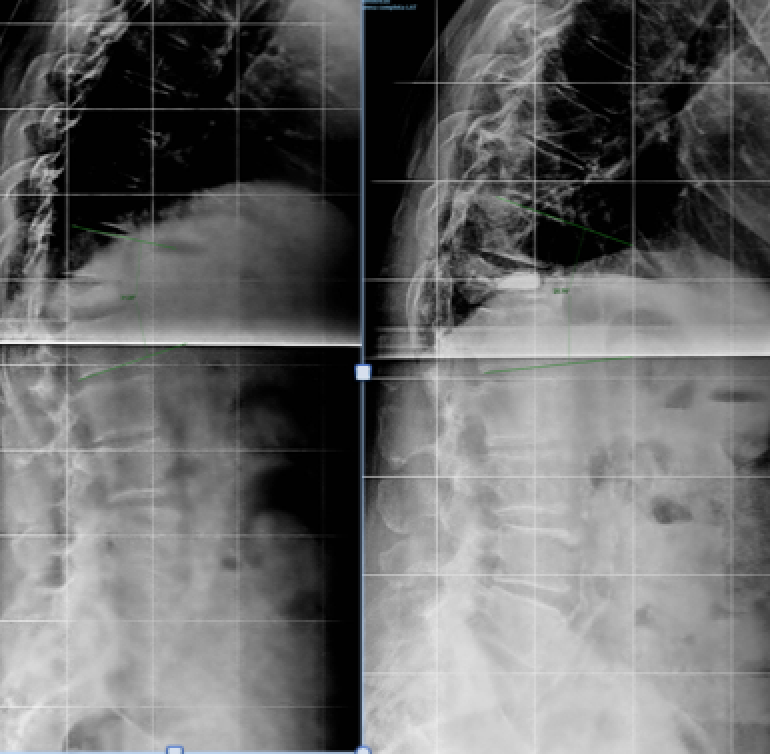
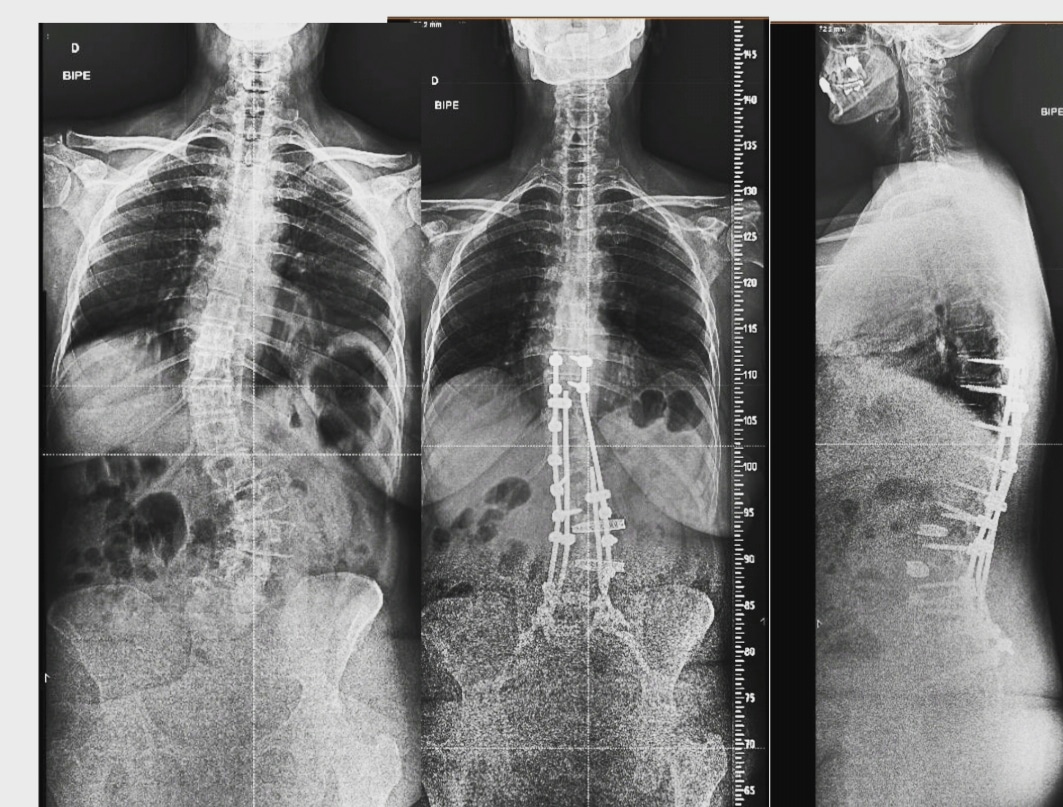
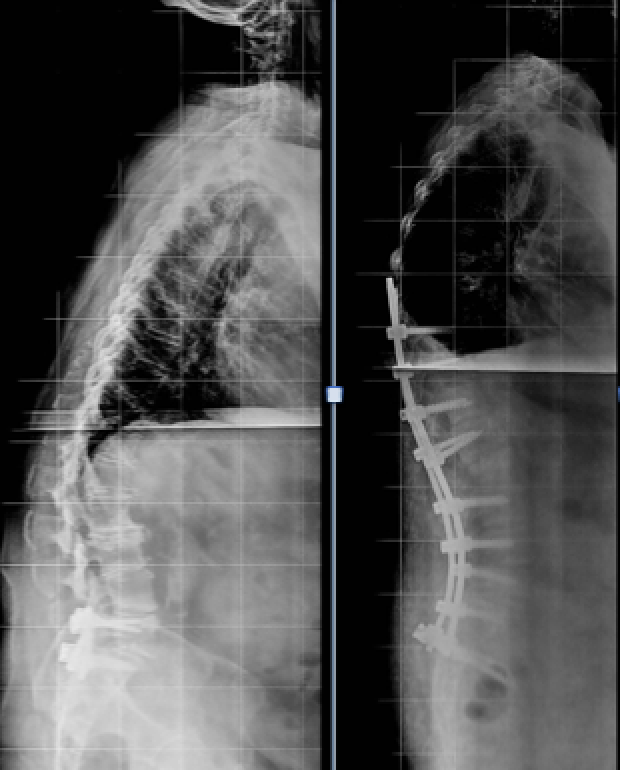
Adult scoliosis or kyphosis can be highly disabling in some cases. It is characterized by pain and an inability to maintain an upright posture. It is one of the greatest challenges in spinal surgery, as it is a major procedure with a high complication rate.
The goal of surgery is to restore the patient’s natural spinal curvature to allow them to maintain an upright posture with maximum comfort, ultimately improving their quality of life.

Spinal infections, whether primary or as a complication of previous surgery (3% (1.9%-4.1%)), are medical-surgical conditions that require rapid diagnosis and effective treatment to minimize potential complications or disabilities and restore the patient’s quality of life.
Treatment options vary for each case and may include targeted antibiotic therapy for the specific pathogen. Our surgical team works closely with internal medicine specialists who are experts in infections to provide comprehensive and highly effective patient care.
In some cases, drainage through CT-guided aspiration may be necessary, as well as primary surgery in cases of pain, instability, or neurological compromise, or secondary surgery in cases of residual complications.

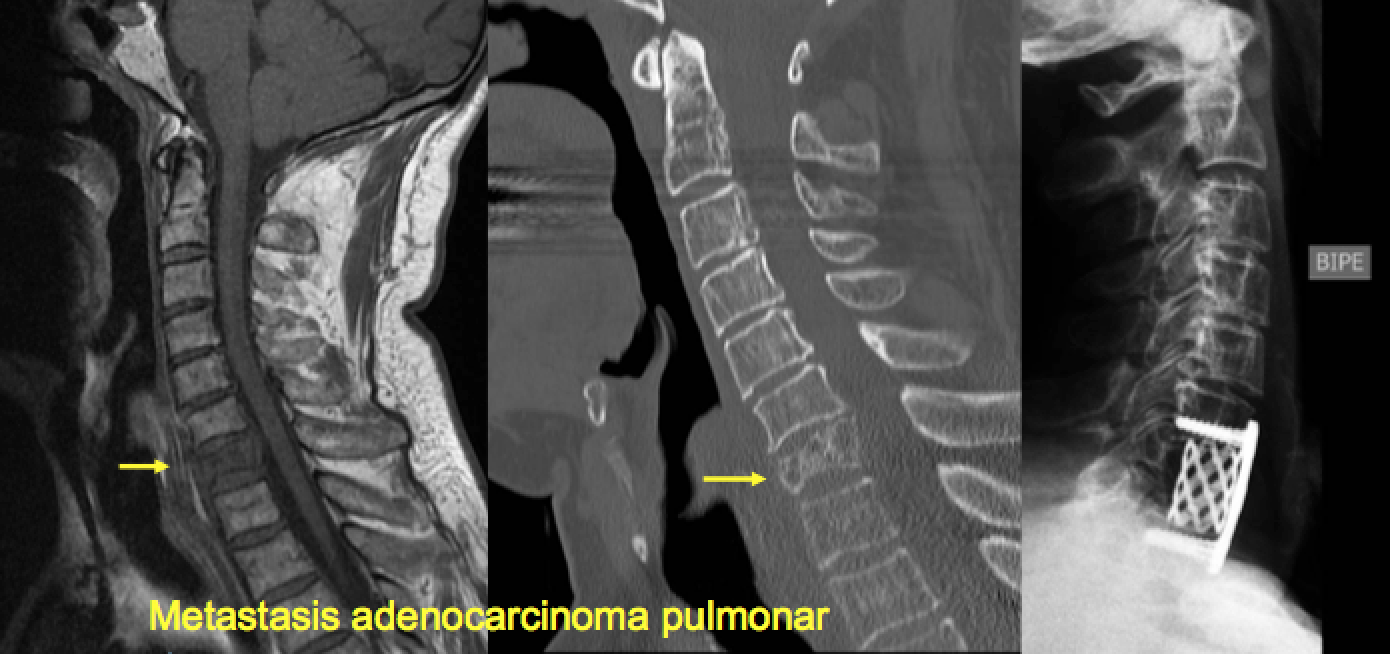
Spinal tumors, though not uncommon, can be either benign or malignant.
Among malignant tumors, the most frequent are metastases (from lung, digestive system, or breast cancer).
Among benign tumors, the most common are osteoid osteoma and osteoblastoma.
A CT-guided biopsy and pathological study are recommended as the first step to determine the tumor’s origin.
Tumor resection and reconstruction depend on the type and extent of the tumor.


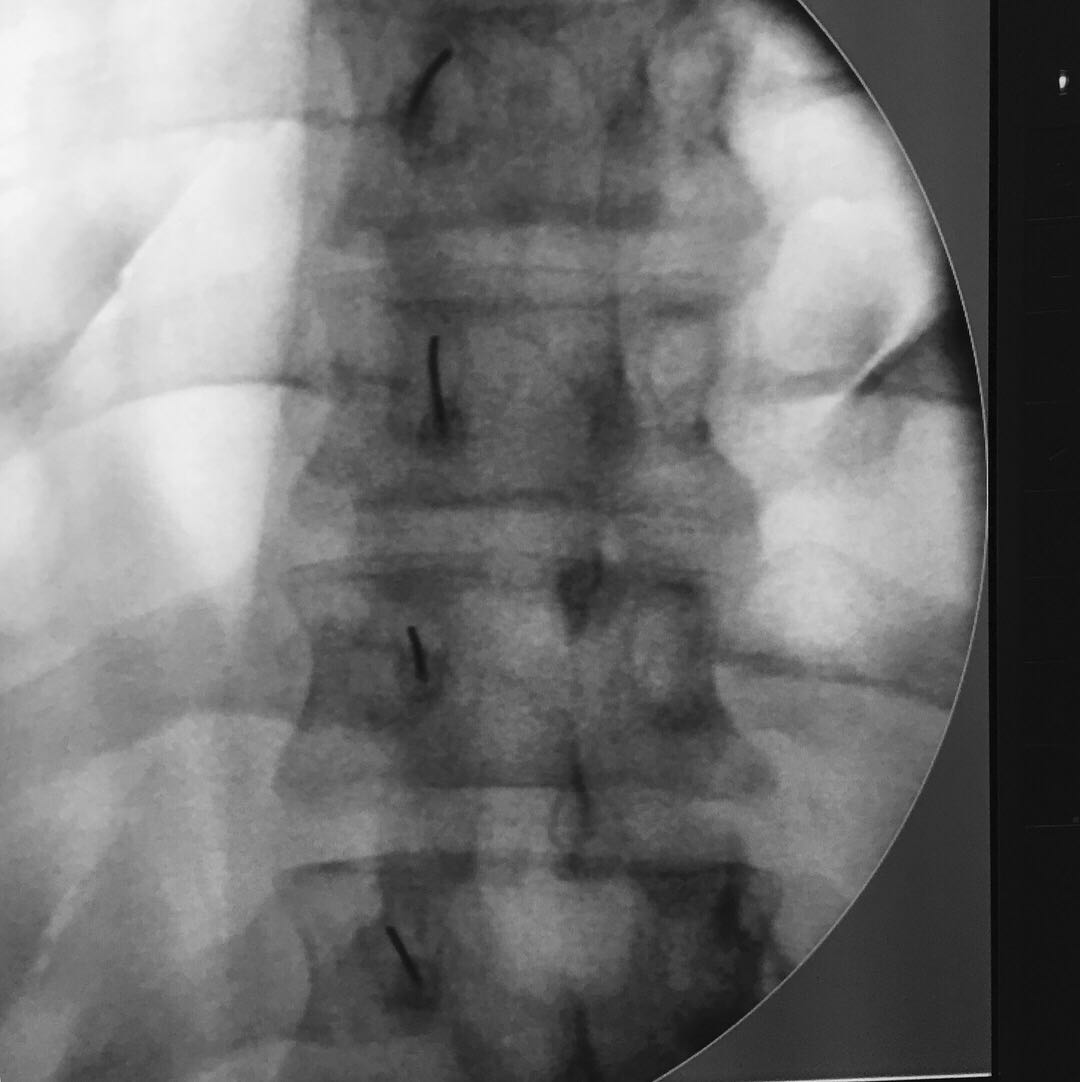
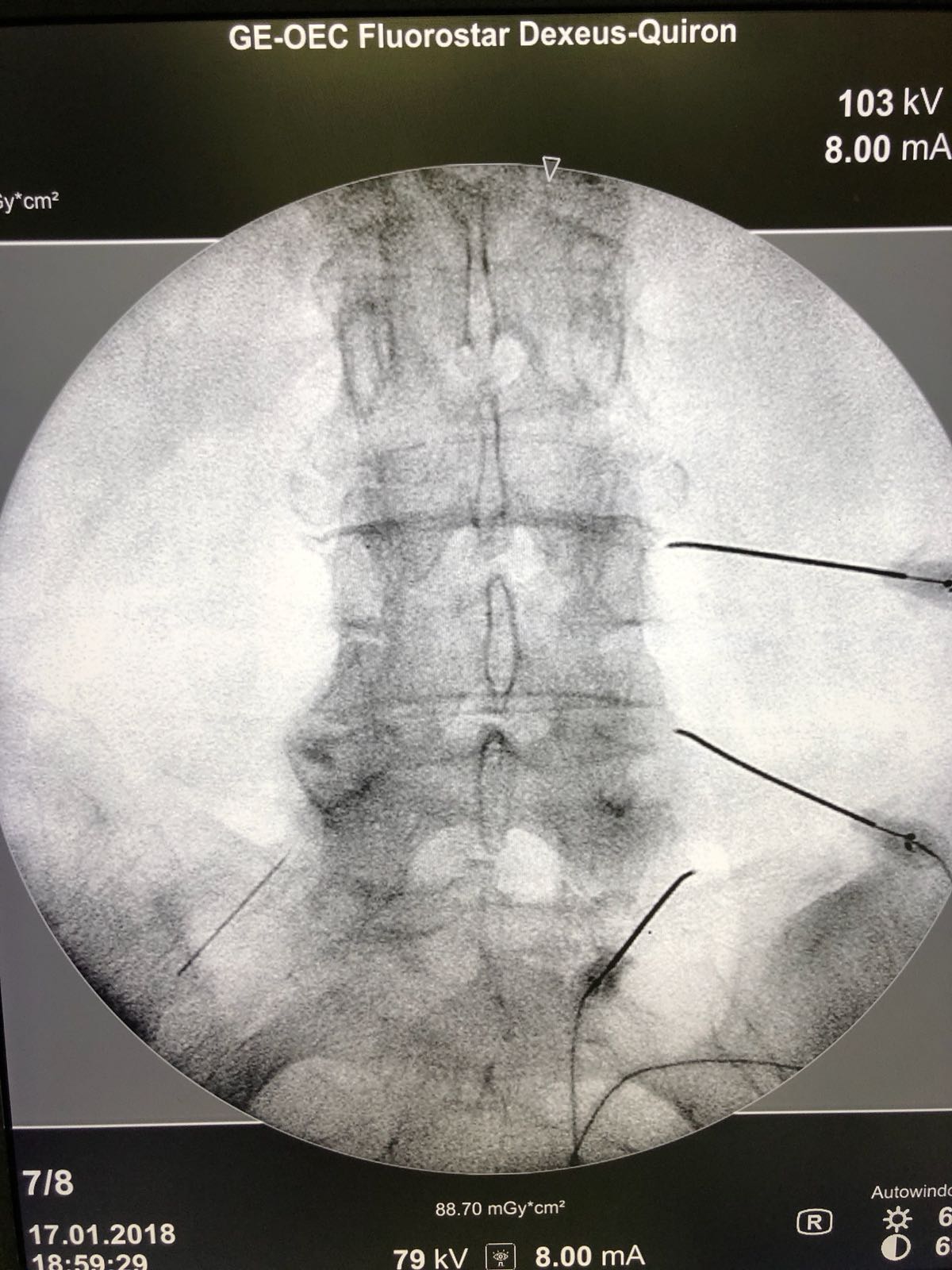
The majority of our patients will not require surgery as a first option. In these cases, minimally invasive pain management techniques can be highly beneficial. These include facet joint injections, myofascial injections, sacroiliac joint injections, intradiscal injections, and rhizolysis (radiofrequency ablation) guided by fluoroscopy or ultrasound.
For more information, visit the following links:
Advancements in surgical techniques and innovation in our specialty have made minimally invasive surgery a less aggressive option for selected cases.
Currently, techniques such as vertebroplasty and kyphoplasty for the treatment of osteoporotic fractures, as well as percutaneous spinal instrumentation, are commonly used procedures that require surgeons experienced in these methods.
Vertebroplasty/kyphoplasty is a minimally invasive surgical procedure indicated for certain osteoporotic vertebral fractures. Its goal is to enhance vertebral strength by injecting bone cement, providing short-term pain relief and reducing the risk of fracture collapse.