
Unit of Foot and Ankle
Specialists in the study, diagnosis, and application of surgical techniques for foot surgery.
Inicio › Medical units › Unit of Foot and Ankle › FOREFOOT SURGERY: HALLUX AND LESSER TOES
FOREFOOT SURGERY: HALLUX AND LESSER TOES
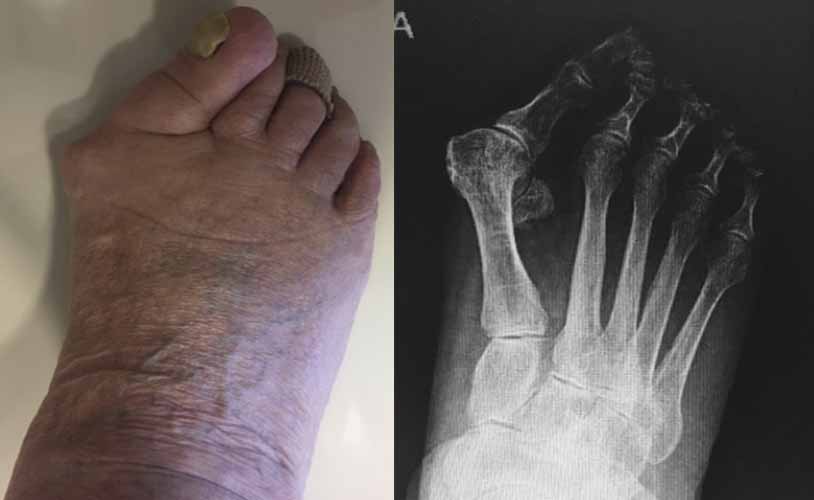
What is hallux valgus, commonly known as a bunion?
Hallux valgus (colloquially known as a bunion) is a deformity of the big toe, also referred to as the first toe or hallux. This deformity arises due to a deviation or subluxation in the metatarsophalangeal joint.
Over time, this deviation causes inflammation of the joint capsule and soft tissues on the inner side of the big toe, leading to a bump known as a bunion. This bump is responsible for the pain patients experience when wearing shoes.
Without a doubt, hallux valgus is one of the main causes of foot pain.
Should bunions be operated on?
Surgery for hallux valgus is indicated for patients with chronic pain or in cases where the deformity progresses rapidly.
At icatpie, we do not recommend performing this surgery solely for aesthetic reasons.
In all cases, the decision should always be made by the patient based on their symptoms. It is advisable to consult with an orthopedic surgeon specializing in foot and ankle conditions.
TREATMENT FOR HALLUX VALGUS / BUNIONS
Surgery for hallux valgus involves surgically correcting the deformity of the big toe. During the procedure, corrective cuts are made in the bones (osteotomy) along with incisions in the tendons (tenotomy) and soft tissues (capsulotomy) to restore the anatomy of the big toe to its pre-deformity state.
This surgery can be performed using percutaneous surgery, minimally invasive surgery, open surgery, or a combined approach. The technique is selected based on the degree of deformity presented by the patient. Depending on the surgical procedure, the osteotomies may require fixation with small screws.
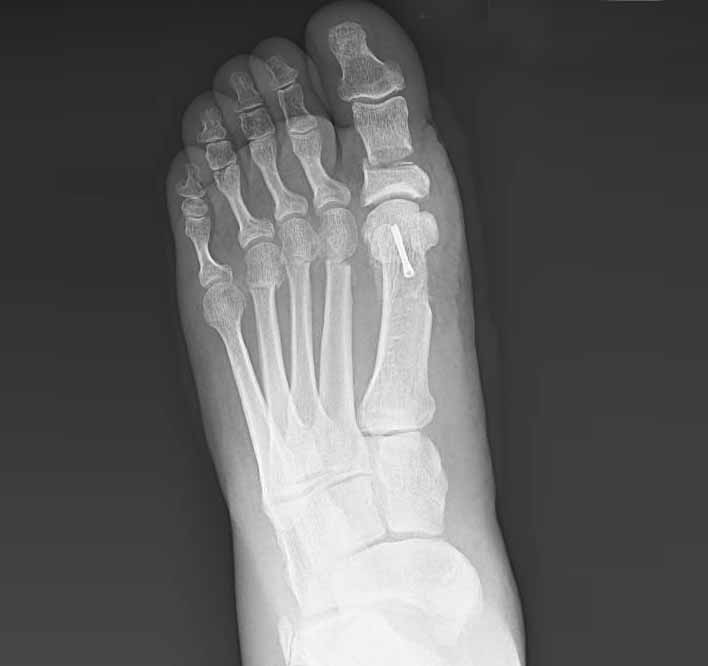
A patient with hallux valgus (bunion) accompanied by metatarsalgia (plantar pain at the base of the central toes) underwent combined surgery. The hallux valgus was treated using an open technique, while the metatarsalgia was addressed using a percutaneous technique. Percutaneous surgery is performed through small incisions under intraoperative radiological guidance and does not require screw fixation.
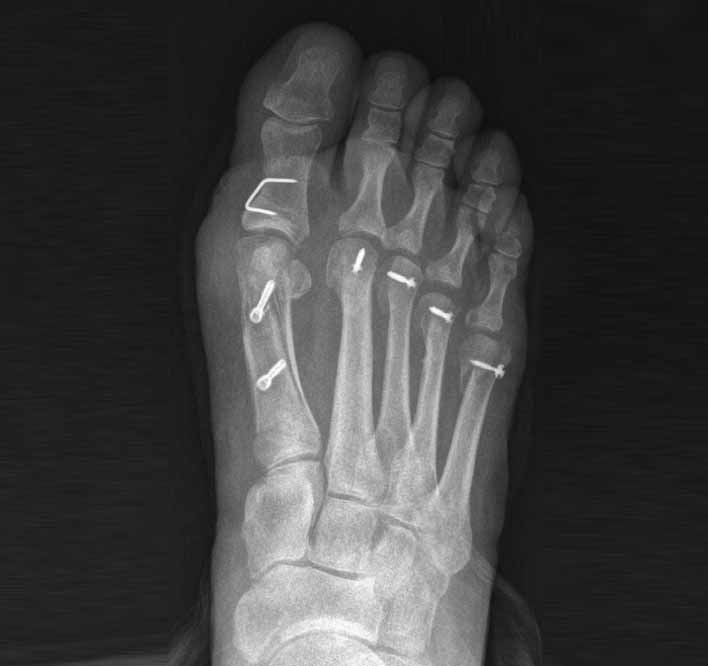
Open surgery involves larger incisions to expose the bone, allowing the surgeon to perform the osteotomy under direct visual control.
IS HOSPITALIZATION REQUIRED FOR THE SURGERY?
Corrective surgery for hallux valgus is an outpatient procedure, meaning it does not require hospitalization. The patient is discharged the same day as the surgery and can place weight on the foot immediately after the procedure with the help of an orthopedic shoe, which must be worn for approximately four weeks.
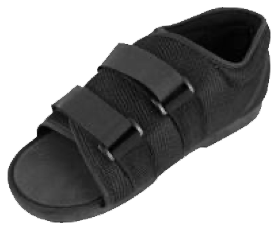
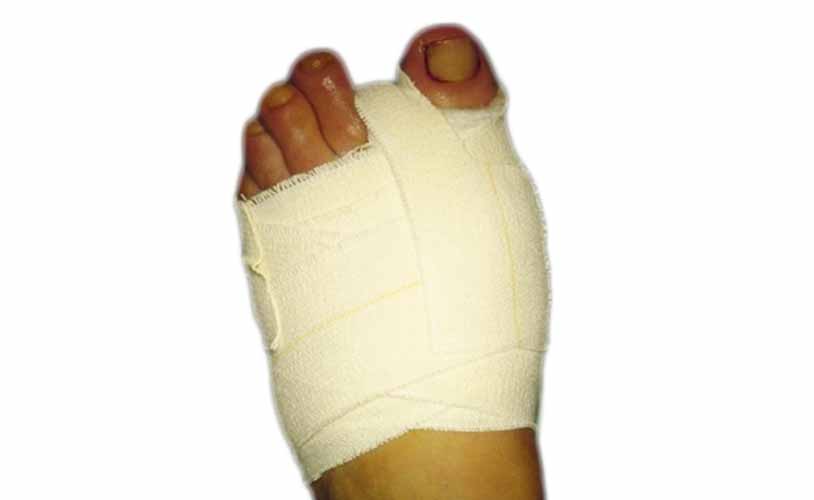
WHAT IS THE POSTOPERATIVE CARE FOR HALLUX VALGUS SURGERY?
Patients operated on for hallux valgus by the icatpie team leave the operating room with a functional bandage applied by the surgeon after the procedure. The bandage must be changed weekly for the first four weeks.
From the fourth week onwards, the patient may need a silicone spacer between the first and second toes, combined with a support system called a metatarsal strap. At this stage, the patient can begin wearing their own footwear.
If sutures were necessary during the surgery, they will be removed after two to three weeks, depending on the patient’s healing process.
The postoperative period may vary depending on each patient and the surgical technique used.
WHEN CAN THE PATIENT RETURN TO NORMAL ACTIVITIES?
The average time for complete post-surgical consolidation and healing is approximately eight weeks. From this point, the patient can gradually return to their usual activities, with individual considerations based on the patient’s characteristics and the type of surgery performed.
Percutaneous surgery and minimally invasive surgery (MIS, “minimal incision surgery”) of the foot are surgical techniques that we use at icatpie to treat various pathologies of the bones and soft tissues, achieving excellent results.
Open surgery is the type of surgery in which the orthopedic and trauma surgeon cuts the skin and tissues to visualize and access the affected structures with the goal of repairing them.


